
The Road Less Traveled
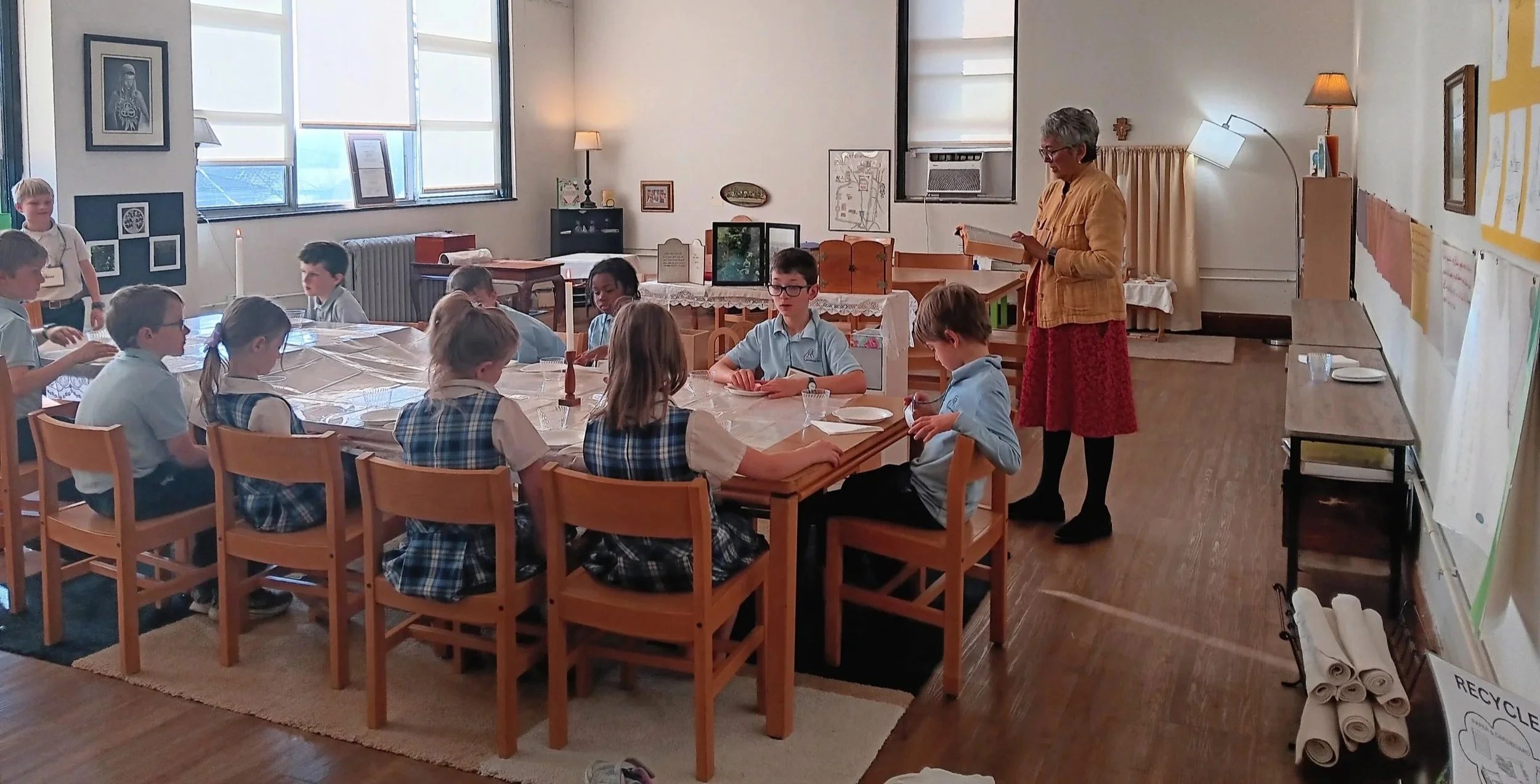
At Our Lady’s Montessori School, our classroom environments are intentionally designed to support the specific needs of each child’s plane of development.
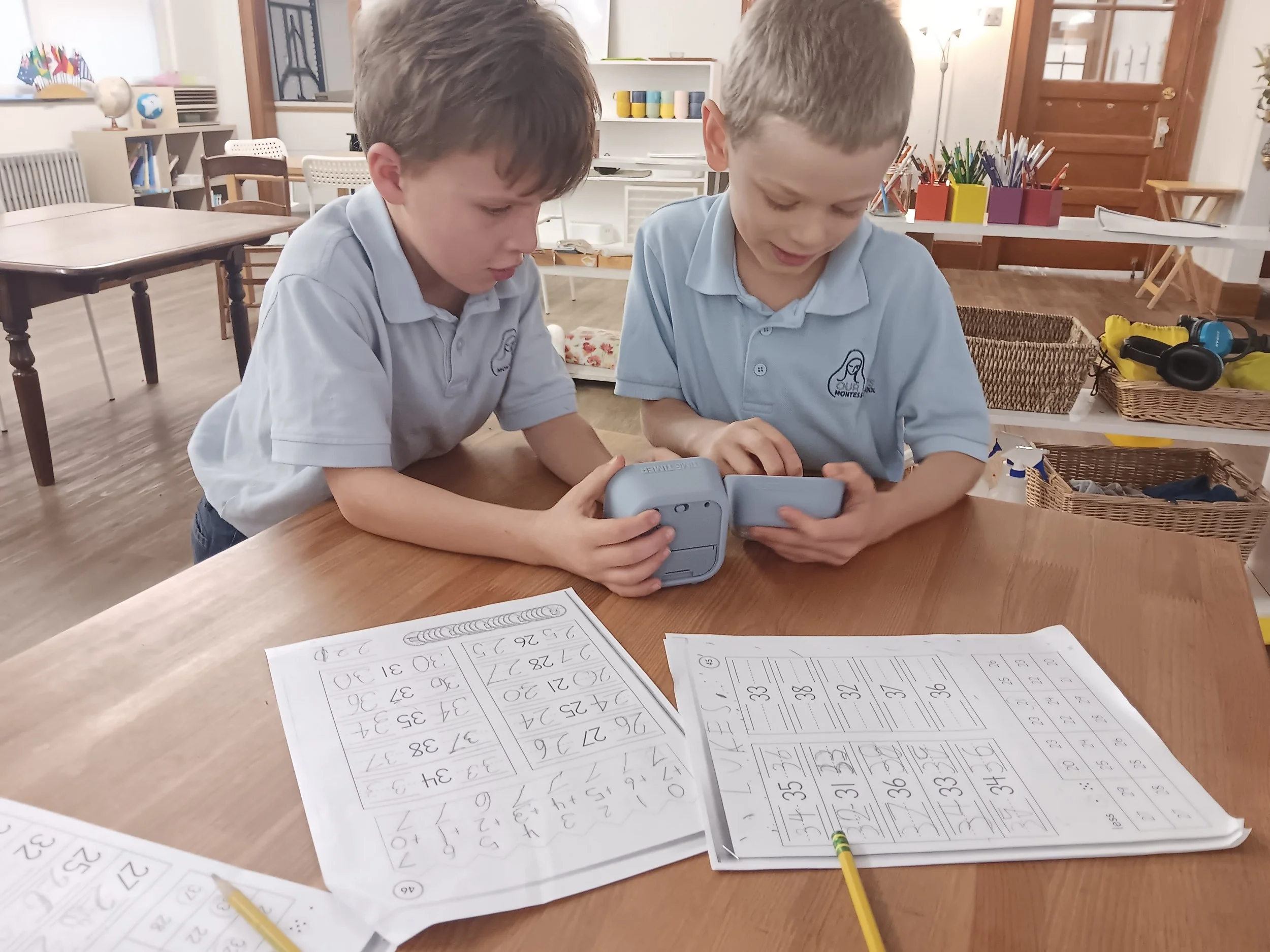
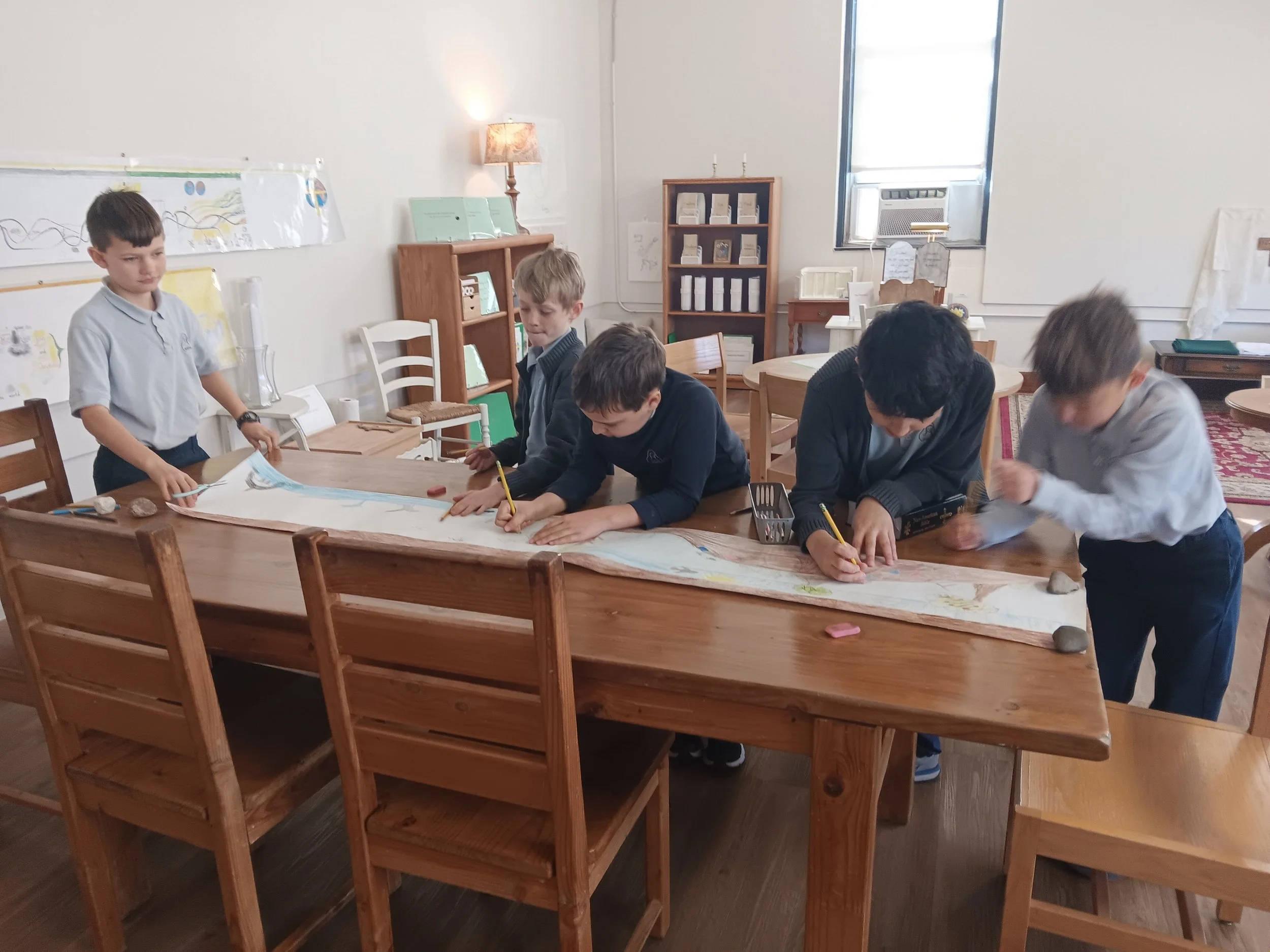
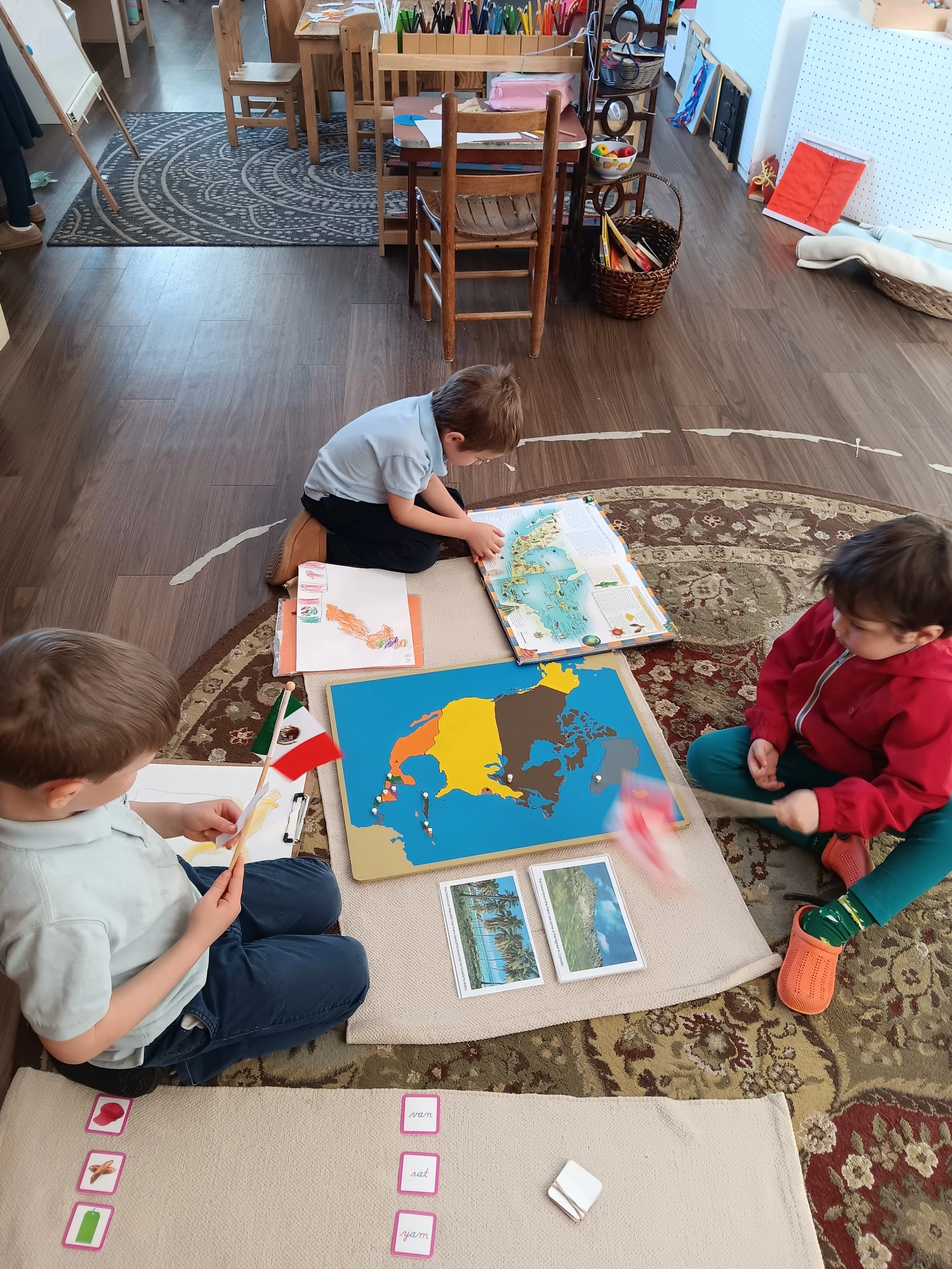
Our Montessori classroom approach to mixed age learning offers our students real-world readiness. In our classrooms, collaboration across age groups and abilities is essential. The Montessori approach reflects how people naturally interact in families, workplaces, and communities.
The Montessori curriculum is organized as an integrated spiral of studies rather than a compartmentalized model. From early childhood through elementary programs, subject areas are carefully linked to demonstrate God’s handiwork across the spectrum of studies.
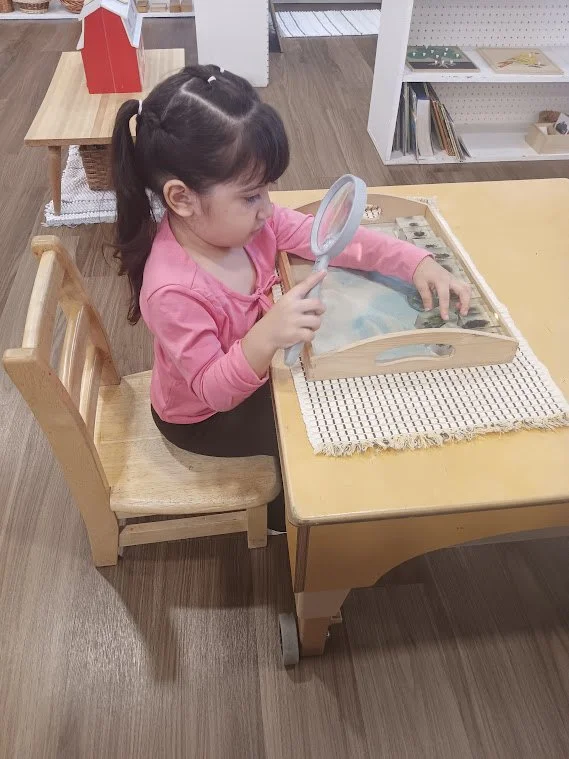
Our Primary children, (3-6 years) crave and happily engage in repetitious works, songs and stories. They are drawn to sequencing and sorting concrete objects, utilizing their senses to appreciate details. As children progress through the elementary classroom environments, the concrete is no longer essential to their learning as their interest shifts toward sequencing and sorting abstract ideas.
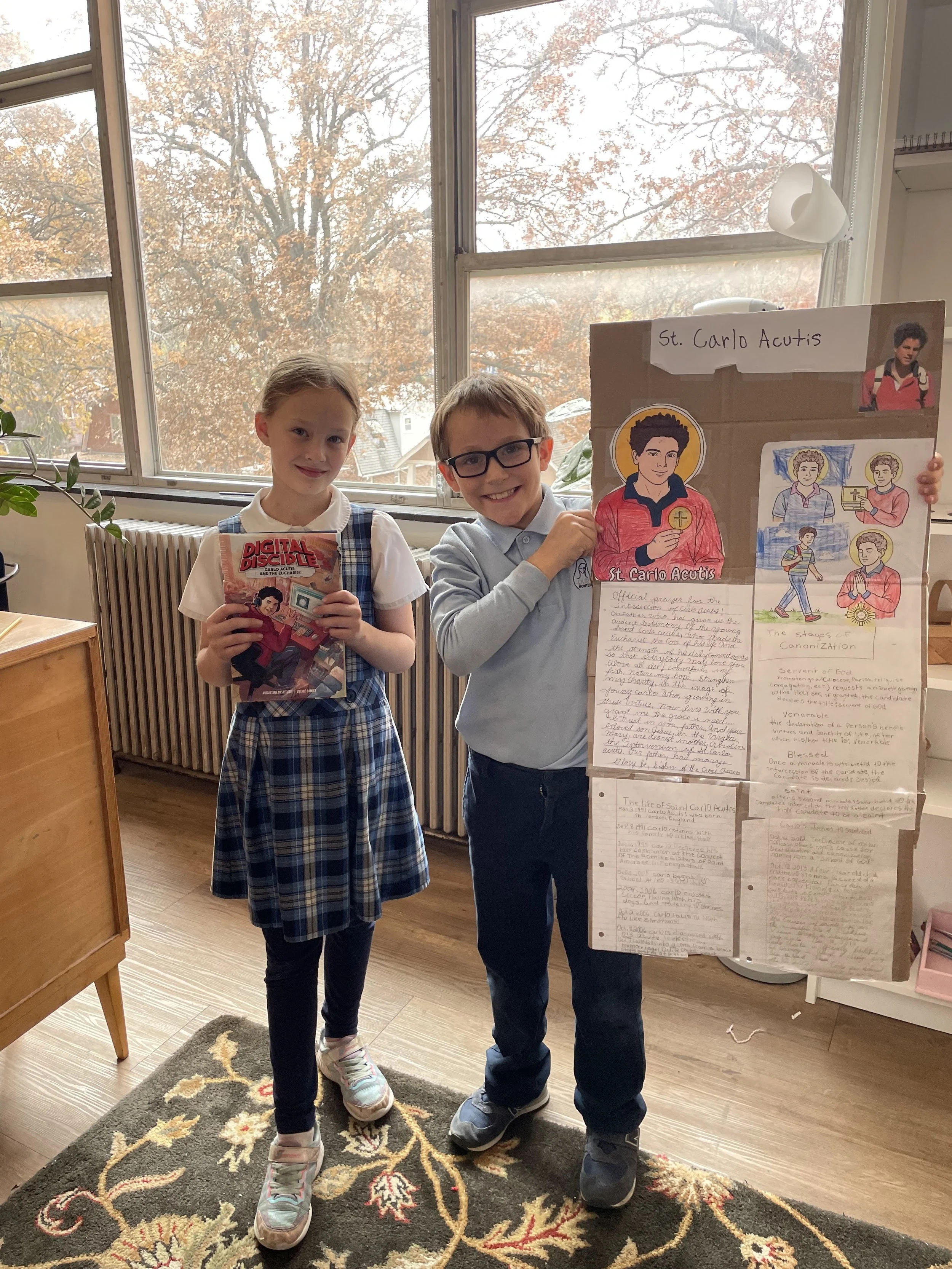
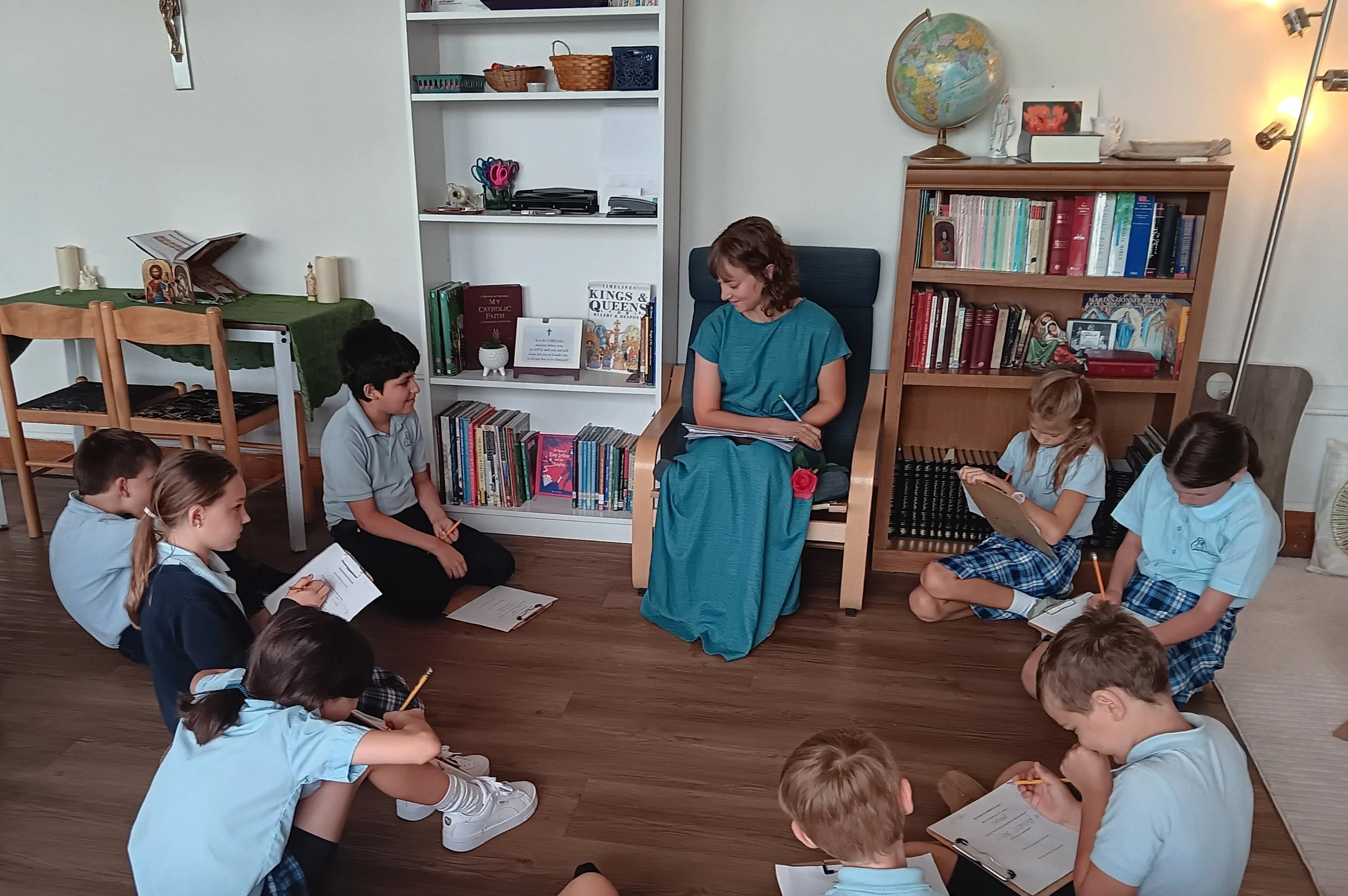
Students explore the meanings of literature, history, grammar, writing, and science, while the Catholic faith is interwoven through collaborative discussion and in-depth, inter-connected study. This structure develops into deeper discoveries and conversations as the students grow in understanding and maturity.
Grace and Courtesy
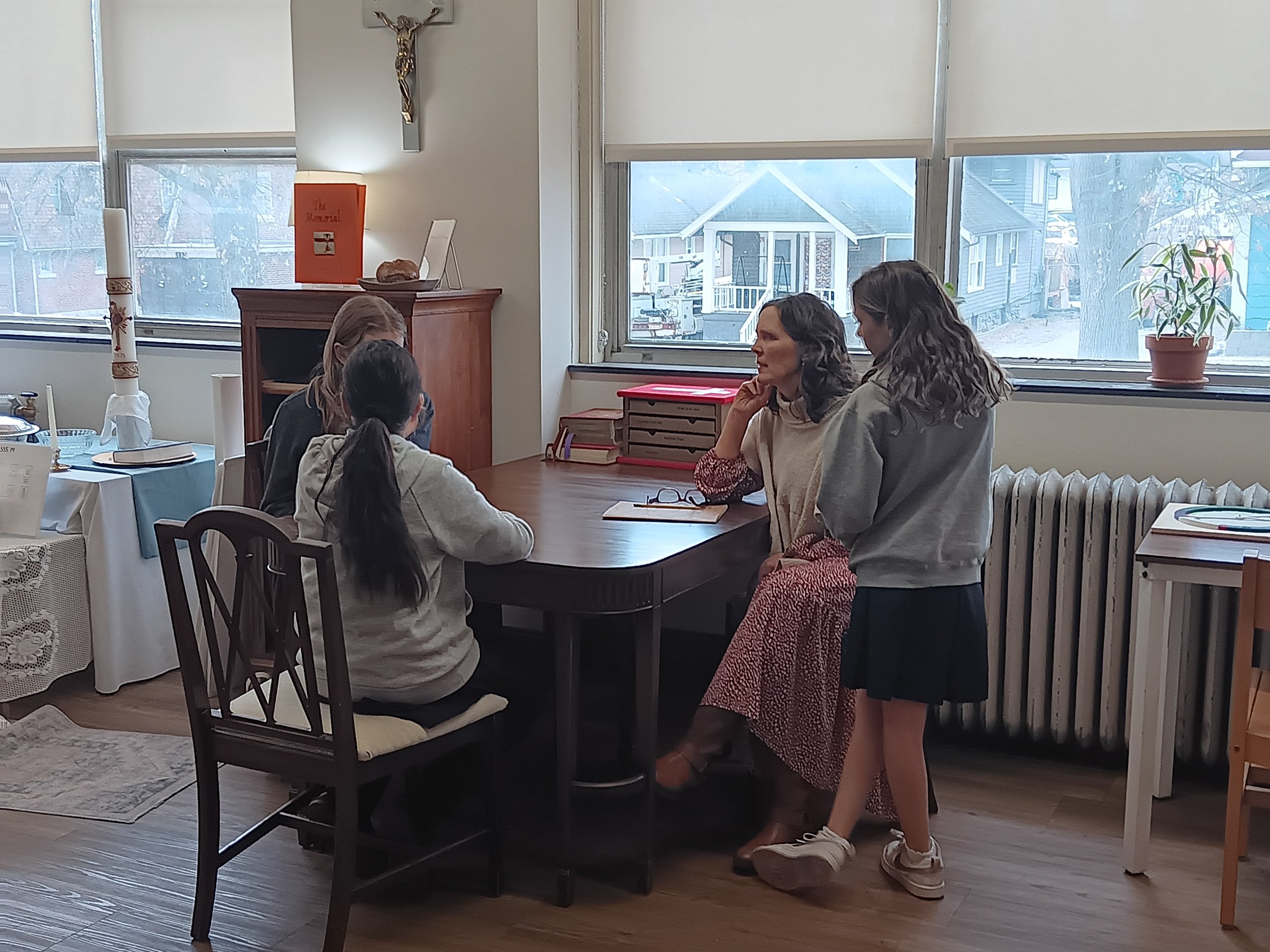
The day begins with each child greeted by name with a handshake by their teacher. In a classroom of 2 – 3 years of mixed ages, children naturally learn conflict resolution, empathy, patience, independence, leadership and responsibility. (More)
Order and beauty
“Montessori found much to question in Rousseau’s ideas, especially his romantic view that children learn best by following their instincts and impulses in an unstructured natural environment. For Montessori, this kind of permissiveness to “let the child do as he likes,” when no powers of control have been developed, violates the true idea of freedom.”
As adults do, children crave order, they tend to get lost in chaos and clutter. Order to the day and order in the classroom are vital to creating and maintaining a learning environment that makes it capable for children to learn and work in groups, while also being able to transition to an individual work. A great misconception of Montessori is that it is a “free for all.” This couldn’t be farther from the truth when understood and carried out properly.
Practical Life
It is not by philosophizing nor by discussing metaphysical conceptions that the morals of mankind can be developed: it is by activity, by experience and by action. It is interesting to notice how attractive all practical actions become even during the period of development that precedes adolescence. -Maria Montessori
An essential element to a Montessori environment integrates practical life skills as it pertains to each stage of development, 3 years – 14 years. Our classroom guides teach these skills to provide structure to their classrooms. Classrooms are set up and arranged to be beautiful. These lessons teach the children to be responsible, joyful members in their classroom community which extends to becoming virtuous, responsible members of God’s kingdom. (More)
Community Meetings
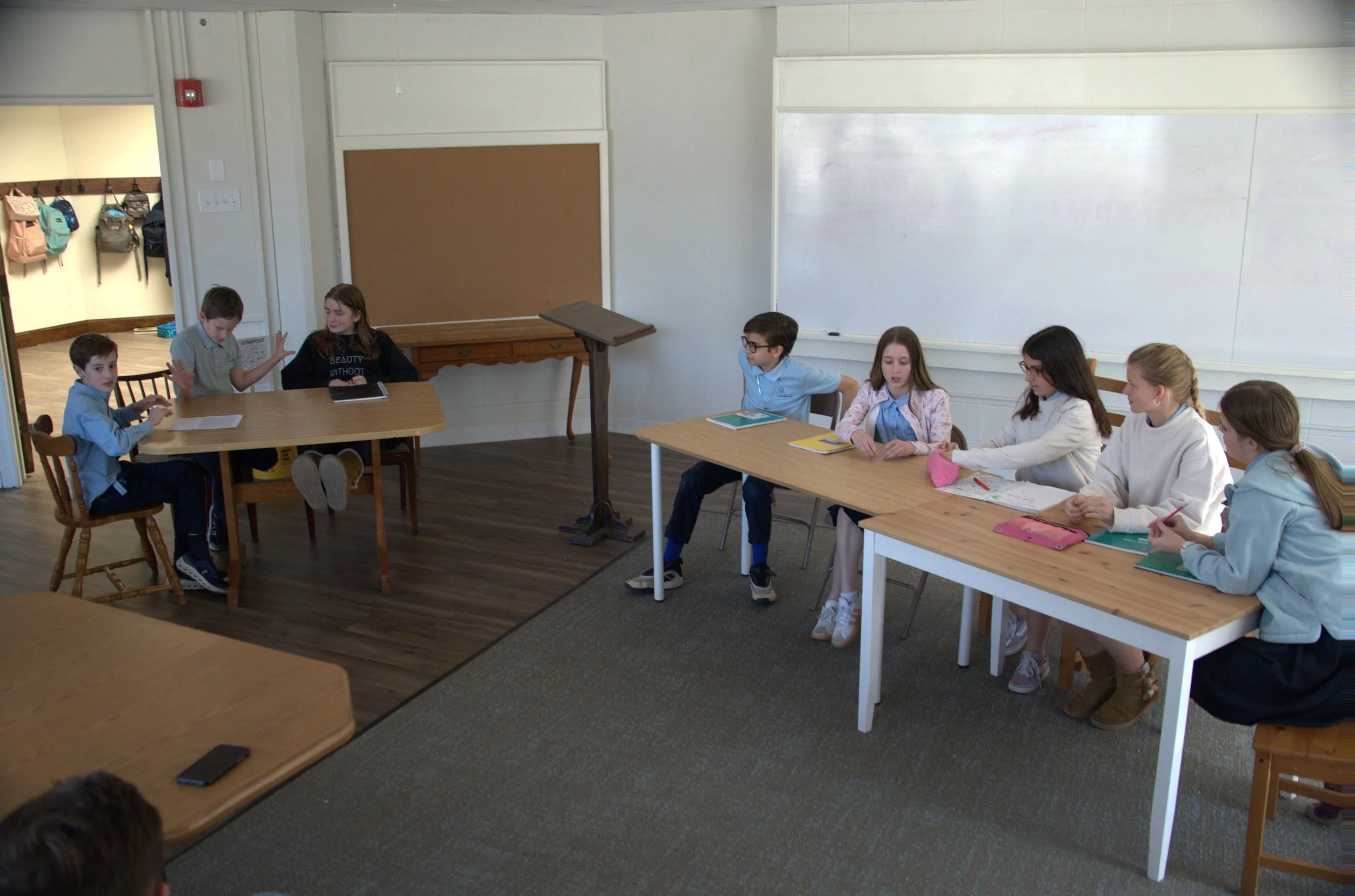
Community meetings are an integral part of the Montessori classroom. They foster social-emotional development, democratic participation, and conflict resolution. Community meetings begin in the Primary classrooms and are facilitated by the guide. Eventually, the students take over leading the meetings in the elementary years. The students rotate the three positions, facilitator, timekeeper and scribe.
Real-world communication skills, conflict resolution, critical thinking and empathy for one another are learned in these important meetings.